
Crawl Space Termite Treatment in Brentwood, TN
Crawl space termite treatment in Brentwood, TN: piers, sills and joists inspected, treated and protected.
Call +1 (844) 468-2611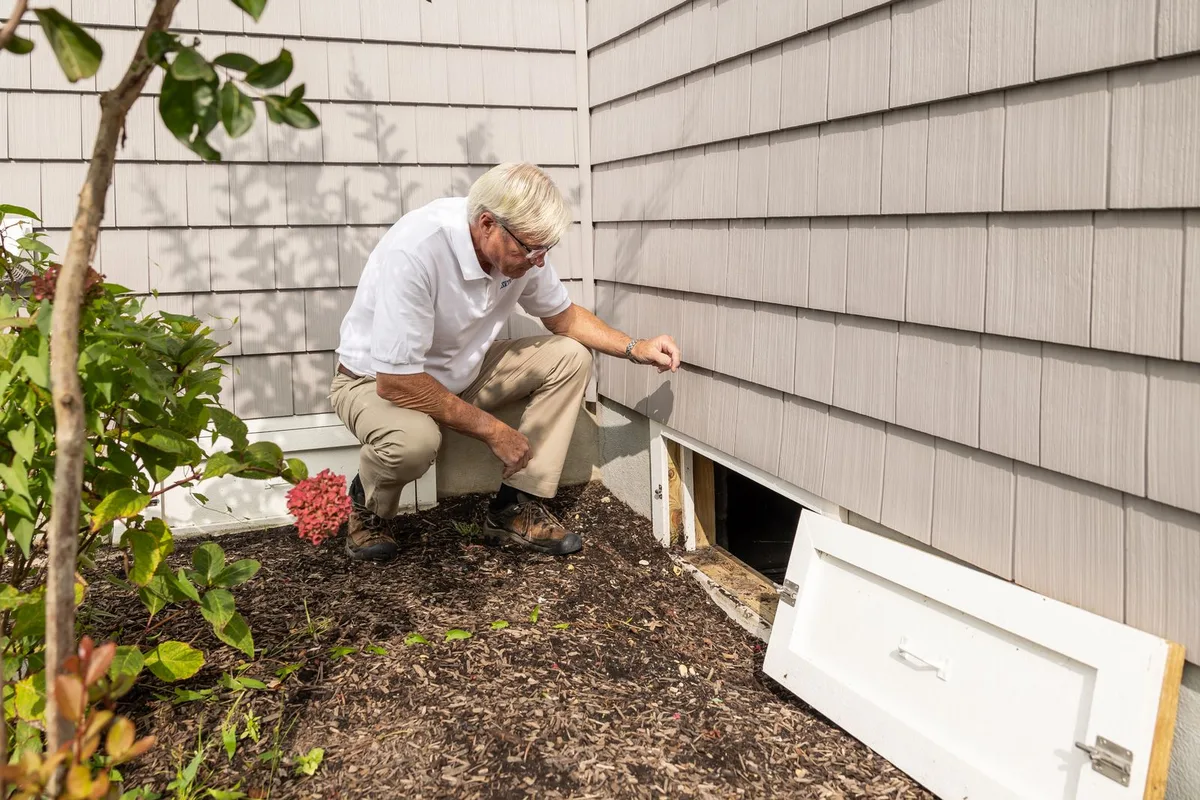
Most Brentwood homes sit over crawl spaces, and the crawl space is where subterranean termites do their work: dark, damp, undisturbed, with the home's sill plates and joists directly overhead. A crawl space treatment focuses the defense where the attack actually happens, treating piers, foundation walls and the soil beneath the home, and dealing with the moisture that invited the colony in.
The visit starts as an inspection with a flashlight and a probe: mud tubes climbing the piers, damage in the band joist, plumbing leaks dripping onto soil, vents blocked or missing, insulation fallen and holding moisture against wood. In Brentwood's clay and humidity, a wet crawl space is a termite nursery, and treatment that ignores the water is treating the symptom's address, not its cause.
Treatment then covers the soil and masonry under the home, spot-treats any active wood, and the plan addresses moisture: leak repairs flagged, drainage and ventilation recommendations made, sometimes a vapor barrier discussion. The crawl space leaves the visit defended and drier, which is the combination that keeps colonies from simply moving back in.
Signs Your Crawl Space Has Termite Trouble
- Mud tubes on piers or the foundation wall
- Musty smells and visible moisture under the home
- Floors that feel spongy or have begun to sag
- Plumbing leaks dripping into the crawl space
- Fallen insulation or wood debris on the soil
- Swarmers appearing at floor level indoors
Crawl Space Treatment or Whole-Home Barrier?
They overlap: the crawl space is usually the most important zone of a whole-home treatment rather than an alternative to it. Where budget forces a sequence, the crawl space and the active zones come first, with the remaining perimeter scheduled. The professional will show you the map and the reasoning either way.
Brentwood's wooded ridges, Harpeth River lowlands and crawl space housing stock create steady subterranean termite pressure that metro-wide companies treat as a route stop. Local crawl space termite treatment Brentwood experience means knowing which neighborhoods sit on moist bottomland, which were built in the heavy-pressure decades, and where the colonies announce themselves each spring.
How the Work Runs
- 1
Inspect the full crawl space: piers, sills, joists, plumbing and moisture sources are documented.
- 2
Address the water: active leaks and standing moisture are identified for correction.
- 3
Treat soil and masonry: the under-home soil, piers and foundation walls are treated to label.
- 4
Spot-treat active wood: infested members receive targeted treatment where activity is live.
- 5
Plan the follow-up: moisture fixes and re-inspection timing are set in writing.
Most crawl space termite treatment Brentwood calls in Brentwood begin the same way: you describe what you found, tubes, swarmers, damage or a deadline, and the professional talks through what it likely means before anyone drives out. Photographs of the evidence help if you have them, and knowing whether the home has been treated before frames the visit.
On site, the inspection leads and the treatment follows the evidence, with the price approved before work starts. If your need is a different one, the termite inspection and subterranean treatment pages cover the other common cases, and the Brentwood termite treatment page ties the whole service together.
What Crawl Space Treatment Costs in Brentwood
Pricing follows the crawl space's size, access and condition, plus any moisture work scoped in. A clean, accessible crawl space prices lower than a tight, wet one. The quote separates treatment from moisture corrections, so you can stage the work if needed.
Keeping a Crawl Space Uninviting
Fix plumbing drips fast, keep vents clear, remove wood debris and form boards from the soil, and consider a vapor barrier if the ground stays damp. Termites need moisture more than they need your house specifically; a dry crawl space is a poor neighborhood for a colony.
Crawl Space Termite Treatment Questions
Do I need to leave home during crawl space treatment?
Generally no. The work happens under the home, and the professional will tell you about any ventilation or re-entry specifics for the products used. Pets are usually kept clear of the work area for the day as a simple precaution.
Can termite damage under my home be repaired too?
Treatment stops the colony; structural repair is a separate trade. The inspection documents damaged members precisely so a contractor can quote the repair, and this site's damage assessment page explains how that hand-off works.
My crawl space is encapsulated. Does that stop termites?
Encapsulation controls moisture, which helps, but it is not a termite treatment, and sealed spaces still need inspection access and, where required, inspection gaps at the foundation. Tell the professional the space is encapsulated so the treatment plan is built around it.
Related Termite Services
If your home needs crawl space termite treatment Brentwood, call +1 (844) 468-2611 and talk it through with a local professional. For general background, see the University of Tennessee Extension guidance on subterranean termites.
Talk to a Brentwood Termite Professional
Describe what you have seen and get clear next steps, with any quote in writing after an inspection.