
Signs of Subterranean Termites in Tennessee Homes
Signs of subterranean termites in Tennessee homes are easy to miss, because the insect causing them is designed by nature to stay hidden. Eastern subterranean termites live in soil colonies, travel inside mud tubes, and eat wood from the inside out. A Brentwood homeowner can walk past active termites every day for a year and see nothing more alarming than a little dirt on the foundation. This guide names the signs that matter, explains where to look for each one, and tells you honestly what each sign does and does not prove.
Call +1 (844) 468-2611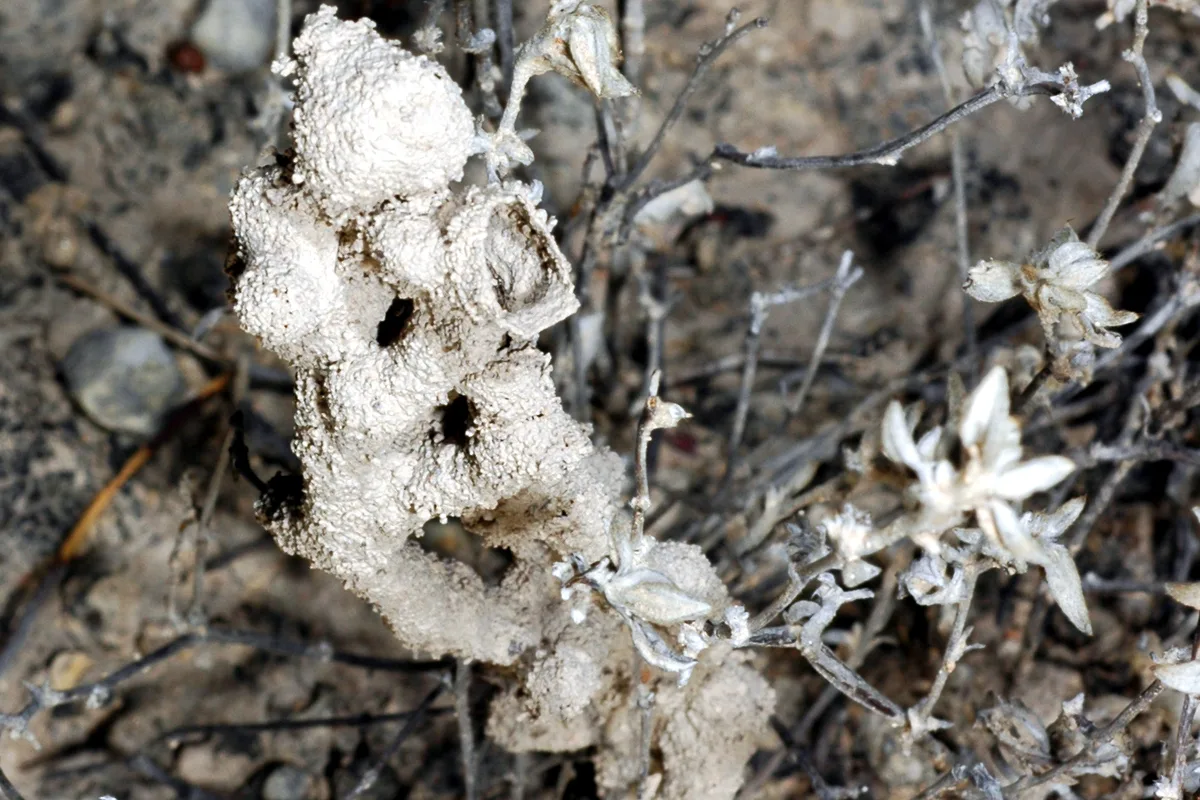
Mud tubes on the foundation
Mud tubes are the classic sign. Subterranean termites build pencil-width tunnels of soil and saliva to travel between their colony and your wood while staying moist and hidden. Look along exterior foundation walls, on crawl-space piers and interior foundation walls, in garage corners and where porches meet the house. A tube that is rebuilt within days after you break a small section is a strong indication the highway is active. A termite inspection checks all of these runs systematically.
Swarmers and discarded wings in spring
In spring, typically March through May in Middle Tennessee, colonies send out winged swarmers to start new colonies. Swarmers emerging indoors, or piles of their discarded, equal-length wings on windowsills, porches and near lights, are a serious warning: indoor emergence usually means a colony is in or under the structure. Outdoors near the foundation is less conclusive but still worth an inspection. Confusing swarmers with flying ants is common; termite swarmers have straight antennae, a uniform waist and two pairs of equal wings.
Wood that sounds hollow
Tap suspicious wood with a screwdriver handle and listen. Termite-eaten wood sounds papery or hollow, and a probe may push through the surface into layered galleries. Check sill plates and joists in the crawl space, door and window frames, baseboards, porch posts and any wood near plumbing. Because termites leave the surface intact, looks deceive: sounding and probing are how a damage assessment separates sound wood from wood that has lost its strength.
Sticking doors and bubbling paint
When termites damage framing around openings, or when the moisture that attracts them swells wood, doors and windows that used to swing freely begin to stick, and gaps appear uneven. Paint can also bubble, peel or look water-damaged where no leak exists, on baseboards, window trim and wall surfaces near the floor. One sticky door is usually carpentry or humidity, and paint problems have many causes; treat these as prompts to check for the stronger signs, tubes, wings and hollow wood, rather than proof by themselves.
From Reading to a Real Inspection
Pellets that point to a different species
Small piles of hard, seed-like pellets are frass, the droppings of drywood termites, not subterranean ones. In Tennessee that distinction matters: drywood cases are uncommon and handled differently, as the drywood termite treatment page explains. Finding frass still deserves an inspection, for correct species identification before anyone proposes treatment.
Conditions that invite colonies
Some signs point to risk rather than activity: mulch and soil piled against siding, firewood stacked on the foundation, leaky plumbing wetting a crawl space, stumps and dead roots in the yard, form boards left in the soil after construction. The University of Tennessee Extension's subterranean termite control guide stresses these conducive conditions because removing them is real prevention. An annual protection plan inspection checks them every year.
Why a professional reading beats a photograph
Homeowners find clues; professionals confirm colonies. A trained inspector does not stop at the sign you noticed, they trace it. Mud tubes are checked for live workers and followed toward entry points. Suspect wood is sounded and probed along its length, because damage often extends well past the visible spot. The crawl space is read as a map: which piers show tubes, which sills are soft, where moisture is feeding the problem. Plumbing penetrations, bath traps and expansion joints, the hidden highways, all get attention. The result is a finding you can act on: active or inactive, localized or widespread, structural or cosmetic.
Frass, tubes or wings: what to do this week
If you found one of the signs above, a few simple steps protect the evidence and speed up the inspection. Do not spray the spot with a store insecticide, because scattering a colony makes it harder to read and to treat. Do not knock down every mud tube; break one small section if you want to check for rebuilding, and leave the rest for the inspector. Photograph what you found with a coin or ruler for scale, note the date, and keep any wings or insects in a sealed jar. Then book the inspection while the evidence is fresh.
Questions This Guide Raises
Can I tell if termites are active from a photo?
A photo can show a likely sign, but activity is confirmed in person: tubes are checked for live workers, wood is sounded and probed, and the crawl space is read as a whole. That is what a termite inspection is for.
What should I do if I find a sign today?
Do not spray the area with a store product and do not tear out damaged wood: disturbing a colony can scatter activity and erase the evidence an inspector needs. Photograph what you found, note where, and book an inspection.
How much does an inspection cost in Brentwood?
It varies by provider and by what the visit includes, and a WDO inspection for a home sale is a different service from a treatment inspection. You will get the exact figure on the call, before anyone visits.
An inspection turns worry into facts. Call +1 (844) 468-2611 and describe what you have seen: you will speak directly with a Brentwood-area termite professional. Return to the Rolling Hills Termite Pros homepage or read more on the termite blog.